
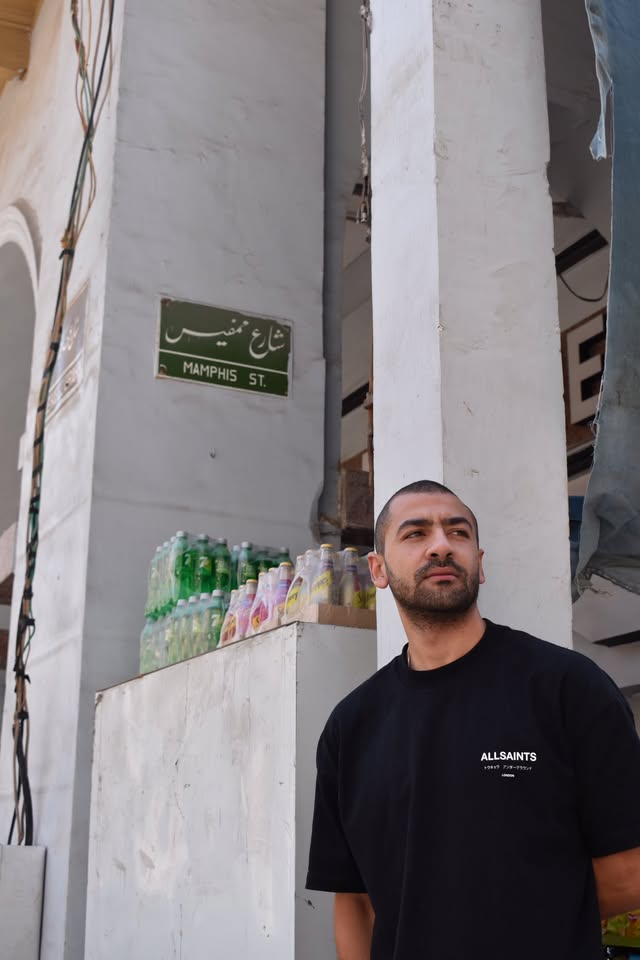
About a month or so ago, I discovered a shoegaze album out of Cairo from an artist called FHMY. Finding FHMY had led me to discover Egypt’s independent music scene and with it, a whole new collective of indie music from the Middle East and North African (MENA) area, something that I have had trouble finding before. I soon discovered the label Memphis Records who FHMY recorded his album with. Digging deeper into the website, I found the label had quite the roster of artists and releases. Over the past six years, the independent label has been releasing some of the most compelling music out of Egypt, working with extremely talented artists and musicians while helping cement Cairo as a creative hub in independent music.
I was fascinated in what was going on in Cairo, and specifically, Memphis Records. After a few days of messaging with FHMY about the music scene in Cairo, he mentioned the founder of the Memphis, Ibrahim Tolba, was curious in my interest of their local music scene and wanted to talk. I messaged Tolba soon after and we set up a date and time to meet. We talked for over an hour, which was both a semi-structured interview and casual conversation, covering all sorts of topics, stretching from the origins of Memphis to his passion of supporting artists and musicians as best he can.
Robert K
Finding indie music in the Middle East that’s Western sounding has been something that I’ve been curious about for a while. I’ve listened to music from all over the world but I’ve never found like, shoegaze, indie rock or dream pop from musicians from the Middle East, so discovering it the last few weeks has been kind of amazing for me.
Ibrahim T
It’s like you have a pipeline
Robert K
Oh, absolutely. As soon as I found one artist I found so many. I felt like I was getting close, because I found Habibi Funk on Instagram and it seemed from what I could tell at that point was there’s this large funk movement going on, where they blend Arabic and funk or soul music, which then led me to Kazdoura, which then led me to your label Memphis. [Memphis] started out what in 2020? It was a label that focused on soul music, but now you’ve kind of branched out is that correct?
Ibrahim T
Yeah, so basically I was raised in a small town by the Mediterranean sea called Port Said. I was born on Memphis street, and therefore the name. [The label is] kind of like a revival of something that has been there already. If you look back in the 70’s, you can find the albums that Habibi Funk have reissued. Every era has its own pop, so right now, the rap scene is what’s taking the majority and taking control over the spectrum of the industry.
Robert K
I mean, that’s kind of similar here in the US, that’s been going on for a minute now
Ibrahim T
Yeah, it’s mostly rap and hip-hop and all the sub-genres of that sort, so in Egypt, when you come to look at it, you find that the OG pop in Egypt is like the mega store industry [with artists like] Mohammad Mounir and Tamer Hosny, all of these big names, to give you a glimpse of the history and the evolution of music in the Middle East. Specifically, Egypt and the late 60s, there was the first ever singer to move from going on stage with an orchestra to going on stage with a band. Before that you had Umm Kulthum, you had all the very, very old school names [where] a song would go on for like 35 minutes. The short format started to take place after that by emerging [artists] like Abdel Halim Hafez. He was one of the very early people to like start including the electric guitar in his arrangements [and] started this movement and this movement has been going til today [Note: also look into Omar Khorshid who also brought Western guitar sounds to traditional Egyptian and Arabic orchestras].
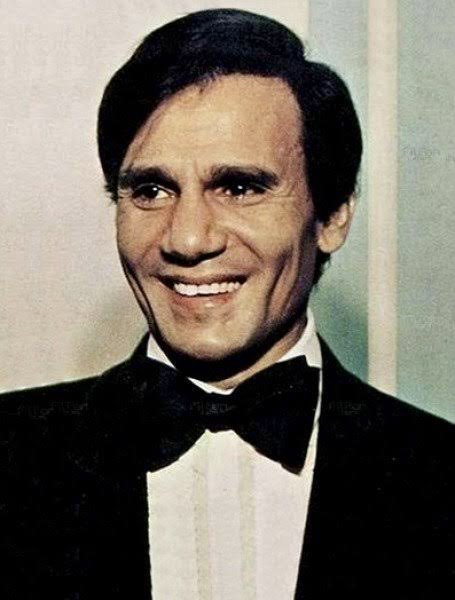
Abdel Halim Hafez.
[Modernly] we have musicians and artists who want to write and compose and produce stuff that isn’t under the same umbrella as the mega store industry of [pop] music. I moved to Cairo in 2008 for the last year of middle school, and as I went into high school I had the chance to learn music, because Port Said [being a] small town, you know how things are, I didn’t have that [many] resources. My dad always wanted to learn how to play music. He knew all the discographies of the Bee Gees and Neal Young and Bob Dylan and Johnny Cash, so I grew up listening to these people on vinyl. My dad, back in high school, would go on ships in the Suez Canal and he would trade fake pharaonic statues and souvenirs from tourists [for] tapes and cassettes. He would copy them and start doing compilation tapes and sell them [to] his friends, like pirating you know. Out of passion, to be honest. The recordings from Monte Carlo broadcast, or whatever it is.
I grew up listening to these genres, mainly folk and progressive rock. When I came to Cairo, I started learning guitar in a music center owned by the guitarist who played behind Abdel Halim Hafez, named Mohamed El Toby. From there, I was like, I love music so much I never want to stop playing. I [had] a high school band and I [found] that my passion is not playing live, my passion is production, being in a room with all the gear and experimenting. When I started Memphis, I started [it] purely as a studio in my parents’ basement for my close friends to come jam and play music together.
But I knew from day one how I wanted to brand it. I don’t know what gave me [the] inspiration to brand it as a retro OG Motown oriented hub. I went to university and started construction engineering, and doubled majored in sound engineering. I did a transfer program to UC Berkeley and took 3 electives [in] retro recording techniques and I fell in love with analog gear and how we can record [with] old school techniques to make things sound warm and cozy. In 2020, when I started [Memphis], I published a song, I think the first release [was titled] No Way Out that I sang and composed myself.

This grasped the attention of the first artist for me to deal with, the OG who introduced me to the underground scene and industry in Cairo. His name is Soul Medicine Man. His real name is Ramy Ramadan. He’s a physician, an ER doctor, so by day, he’s a doctor and by night, he’s a musician who plays in bars and clubs and he has his own original music. He texted me when I was in the states visiting a friend, and he wanted to ask about rates for recording. I didn’t [start Memphis] to be a business, you know, but come over and let’s see what we can figure it out. He came, we wrote the song and we produced it in two sessions.
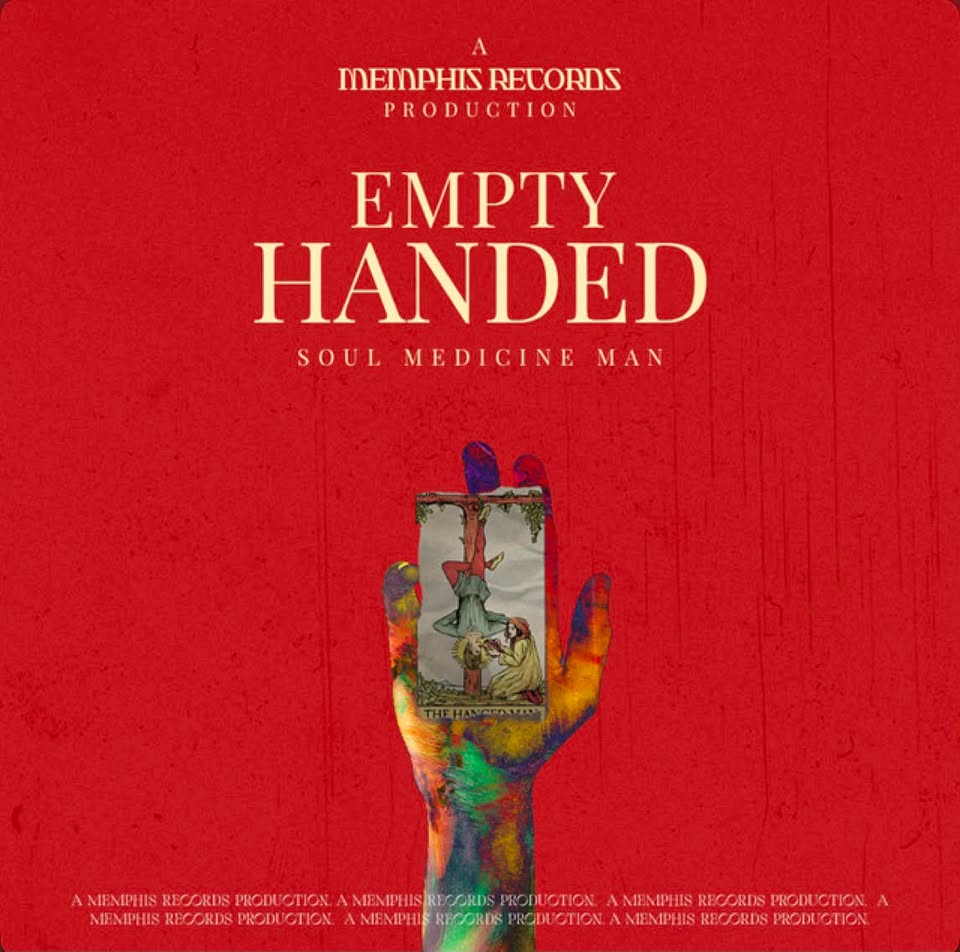
No Money was the first official release on Memphis as a label. Three months later, [we] released Empty Handed, another folk/soul kind of track, I love it. Then Ramy introduced me to one artist and that artist will introduce you to the other and things started to fall into place and take shape. In Egypt we don’t have any record labels who would fund or push any uncommercial music. What we [specialize] in is not soul music. We [specialize] in timeless music. If we are producing something under Memphis, you can listen to it today, you can listen to it after 10 years or in 20 years and still have the same feelings for it.
Robert K
Why do you think you have [this] resistance to branch out with a major label in Cairo? With major labels here in the states, they follow trends. They look at what sells and they’ll only produce that, so a lot of up-and-coming artists or smaller bands, they have to do it themselves. They will form their own label, press their own records, market and sell it themselves. Is it that same kind of mindset in Cairo?
Ibrahim T
I think music is integrated into different aspects of society, like politics, like society or culture in general. So when you come to look at it, every time something major political happens, there’s this sudden movement that reflects in music. The most recent one is after the October war in Gaza. You had a big movement of artists who were writing originals in English, [and now] they’re moving to Arabic. They’re like, f*** English, f*** the [Western] world. They want to stay true to their authenticity, originality, and roots. So they start talking, like, I’m going to compose in Arabic, so now you have more artists who are trying to migrate to Arabic. At the beginning we didn’t want to produce or distribute songs in Arabic, because usually it’s cringe and maybe someone who’s a foreigner who’s not an Arabic speaker will enjoy it, but if you’re an Arabic speaker, it could be like, this is cringe, or corny or whatever.
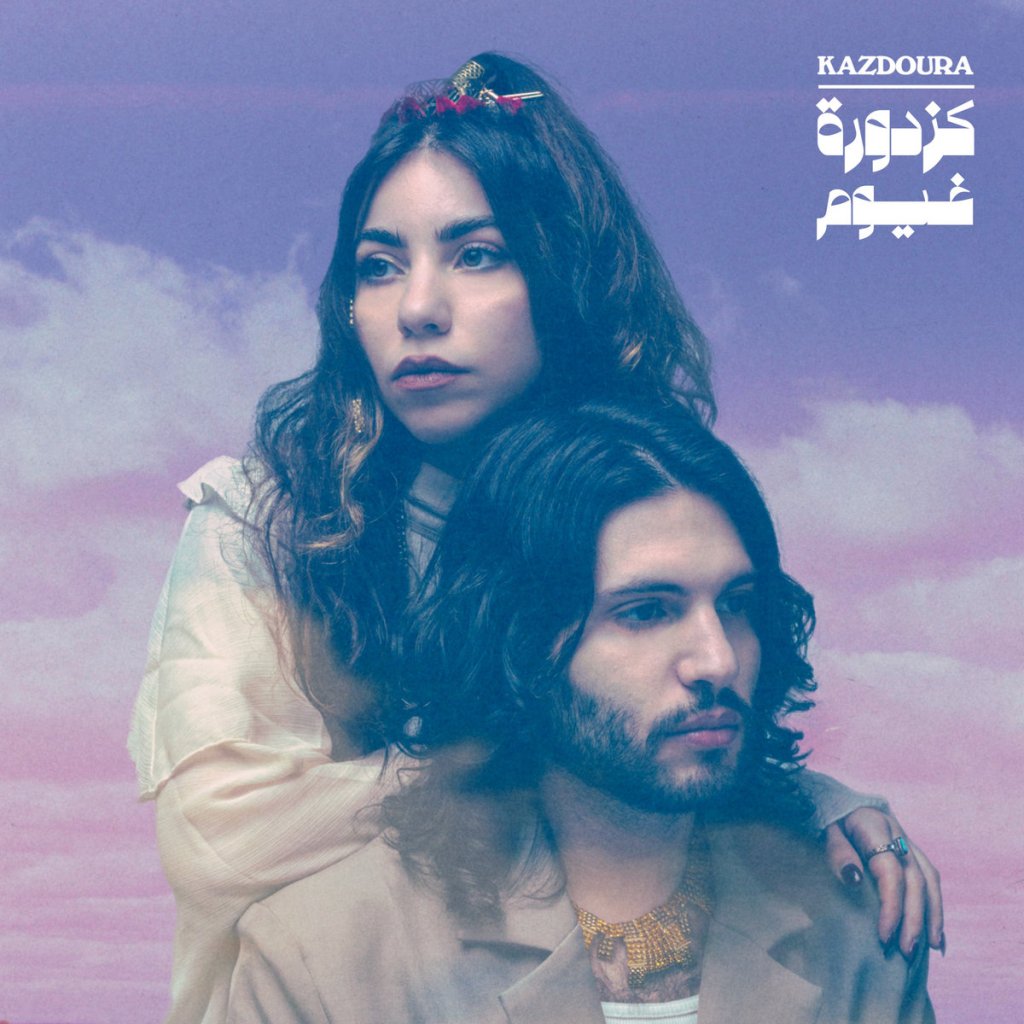
There’s a very fine line, especially if it’s an Egyptian slang dialect. In the Levant slang, it’s easier to sing and compose because they have a lot of vowels. They’re not as rough as the Egyptian Arabic, you know, so Egyptian Arabic is very hard to fit into pockets while you’re singing. Especially if the [song] has a groove, like funk, for example, it’s very challenging. This is why Kazdoura are very pleasing because their accent is not Egyptian, by the way, if you come to sing with Egyptian dialect over Kazdoura’s music, I don’t think it’s going to fit.
Robert K
The way [Leen Hamo, vocalist of Kazdoura] sings is very reminiscent to music that my grandparents would listen to when I would go visit them and that’s what resonated with me so quickly. It was familiar but it was different at the same time, and I just fell in love with them. I sent [their album Ghoyoum] to all my family members. I’m like, you guys have to check this out.
Ibrahim T
With Memphis, our number one priority is the artist and this is the actual truth. With most labels, 80% of the masters belong to the label and 20% belong to the artist. We don’t do the s***, we do the opposite, actually, like we want the artist to have the majority of their masters. So maybe we do, like fifty-fifty deal over the first X years to be able to recoup whatever we spent on the artist, and then we’ll be like, okay, you can keep 70, and we keep 30. We want to always enable the artist as much as we can. From day one our focus is on artists and repertoire and on scouting young talents. All we want them to care about is composing and writing, and that’s it. We are going to facilitate everything for [them], the space to record, the facility to jam and rehearse and to do arrangement sessions. We’re going to get [them] the artwork.

I love branding so much, and I love how things should be always coherent and completing one another to have a full picture, an identity and look and feel. When it comes to the visual identity of the artists we invest in it, as much as we invest in a clean mix and master. Right now, we are trying to start incorporating vinyl and press vinyl for our artists. If the artists want to contribute and [fund their branding], good, because I am personally funding everything. I have a day job, I have a contracting firm, we do finishes and contracting construction, because this is my other degree and at night I’m working in Memphis, because this is my passion. I think what’s enabling me from doing what I’m doing right now is I’m not looking to make a great deal of profit from Memphis, maybe okay, I would want to make a profit from Memphis to spend it on Memphis and to go back into the company and spend it on the artist.
Robert K
How wide of a net do you cast to find a musician or artist to work with or are you searching just within Egypt specifically?
Ibrahim T
Nowadays, we look at ourselves as a regional powerhouse to be honest, not only a local one anymore. We get a lot of messages and people sending us their demos. We do four listening sessions per month. We try our best to go over everything that is sent to us. Some people need a lot of work and we reply to everyone. Maybe we [don’t] love the music, but at the same time we see potential, so we would like help them back and be like, okay, we need to tackle 1, 2, 3 and 4, and then after we can start working together. If you can believe it or not. I’m working alone I don’t have a team. Everything is project based or outsourced, I only have one DOP, who is a really good friend of mine and one editor/colorist and that’s it.
At Memphis, we have 3 main lanes if you want to look at it like that. We have the indie/folk direction and this includes Luka, Mai El Gizouli, Maii Waleed, Soul Medicine Man, and anyone who’s doing the indie singer-songwriter/folk. Then you have the second lane which is the alt-pop or general alternative like Nomarch, are., As We Sleep, Maya Ma. Last but not least, you have jazz fusion/progressive. These lanes sometimes intersects together, so you have artists who do stuff between the two lanes. This is where our showcases come to play. Every two months we do a [themed] showcase with artists that line up with the event’s theme, like jazz fusion.

Robert K
You guys do a music festival now. Is this an annual thing, and do you invite local artists, artists from the label, or do you invite all people from all over to participate in the festival?
Ibrahim T
This is Tidal Dream and we did two episodes of Tidal Dream in 2023. It’s supposed to be an annual thing, but we are taking our time a bit, because of devaluation. It doesn’t make sense to make a festival for only a label artist, what’s the point. You want to include people, you don’t want to gate-keep, because this industry is based on gatekeeping. You should bring up people from different backgrounds of music and regional acts. I would want to book an international act. We’re [thinking of doing Tidal Dream] next month [July, 2026] but I thought to myself, like nah, I think focusing [on how to grow Memphis] would be better because we can then host an international act to come record their stuff and use our facility and at the same time, do the festival and maybe get more content from them, and do a live session as well, maybe.
Robert K
Yeah, that’d be great, and that’s one way to build the name of Memphis, and what you guys do here in Cairo, you can do more broadly
Ibrahim T
I want to close the gap between abroad and Egypt and when I get international acts, for example, they will use musicians from our place here, and they will start like mixing and mingling together. This is what happened with Kazdoura by the way. I talked to Johnny and Leen three and a half years ago on a call. We talked for three hours, I think, and they were like, how do you think we can come to Egypt? Can you help us hire a band and I was like, yes, I know every musician in Cairo or in Egypt and what they’re good at, and which genres and sound and tone they can produce so I will refer people to you. I started doing that, I’m like, here are three drummers, here are two bassists, here’s two keyboardists, you can contact them, and if you need any help, let me know. They did, and then they came, and then they went to UAE and sent these two artists from Egypt to the UAE [to record].
Robert K
Another topic that I’ve been curious about is music from Palestinians. My grandfather was from the West Bank, and then he moved into Lebanon and met my grandmother. I think he sensed the Civil War was going to break out in the 70s, which is how he moved over to the United States. When I was in college, I found this underground hip-hop movement in Gaza and I don’t know if it still exists, I don’t remember the name, but it seemed like Palestinians were using hip-hop as a way to speak out, similar analogy of how hip-hop started here in the States. This was maybe 20 years ago? I wish I remember the name of this group. It was a whole collective. I bought a T-shirt from them, and I can’t seem to find that either, so I’m wondering is that still, music-wise, where Palestinians are putting their efforts or are there Palestinians making their own mark on a genre like indie rock, shoe gaze, or anything like that?
Ibrahim T
To be honest, from my own humble knowledge, I only see hip-hop coming from Palestine, even if they’re not based in Palestine. You have other entities in Egypt that are trying to enable artists, especially when it comes down to the very niche sector of refugees and people who come from countries like the Sudan and Palestine. They do residencies for Palestinians and Sudanese artists in Egypt and help them start doing what they used to do before the war, but in Egypt. It’s a very derived type of music, very resist based, you know. Like how Africans used a lot of art forms to resist slavery or resist tyranny, you will find the same thing in the Middle East with the colonizers, for example. Even capoeira, you know, is a fighting form that seems like dancing because they used to practice it at night around the fire. When the people who enslaved them, from afar, they see them dancing, but they are practicing a martial art.
Robert K
In the Middle East, what other cities or places [are considered] music hubs?
Ibrahim T
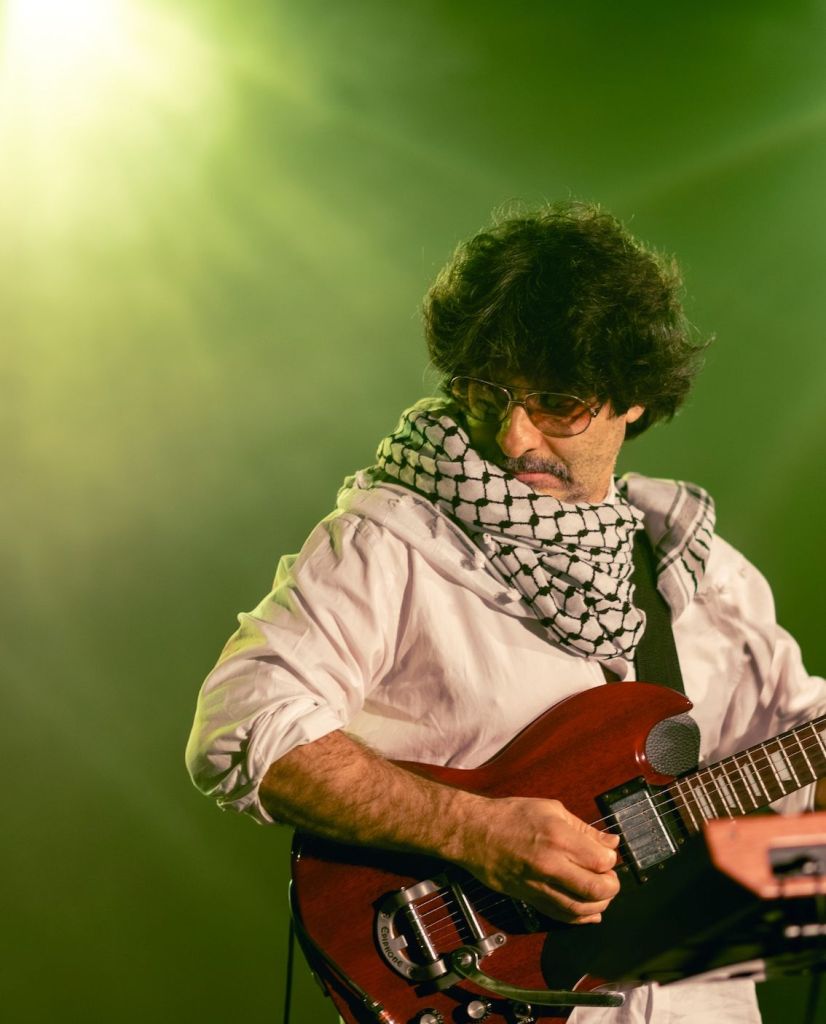
Definitely Jordan. We have a lot of amazing Syrian musicians who moved to Egypt in the past 10 years or more and we are working with them. [People] like Mohammad Rajab and Hadi Birajakli. We have Jordanian musicians as well, but Jordan is a hub. We have a very nice underground industry and Lebanon, definitely. You have people like Zied Hamdan, he’s a f****** pioneer. This guy started a whole genre with Soap Kills and Bedouin Burger.
Egypt is a melting pot, because of the political turbulences that have been happening. Egypt is very stable, you know, you can tell. Even when it comes to war negotiations, we are always on the front, trying to find a peaceful solution for everything, and all that sort of thing, so I think in the next couple of months or years, a lot of musicians are going to migrate and move to Egypt. Personally, I know more than 7 well established musicians who are moving within a couple of months to Egypt
Robert K
I know Egypt has the film scene, things my grandparents would watch all the time so it would make sense that musicians would then come to Egypt. What about North Africa, like Morocco or Algeria?
Ibrahim T
[It’s] rap and hip-hop. I think Tunisians and Moroccans are insanely great, you know, like, how Reggaeton is big right now? Latin America to the States, is what Morocco and Tunisia and Algeria are to the Middle East. They are the ones who usually go to Europe and stay there. Gnawa, a genre that has been famous from the North African deserts and the Raï movement from Algeria, as well as the Maghreb [a region or Northern and Western Africa comprising of Algeria, Libya, Mauritania, Morocco, Tunisia and Western Sahara].
North African countries have contributed a lot in the evolution of music in the Middle East. Egypt is the middle point where it splits in both directions. You have the Levant area and you have the North African area. Then, of course, Egypt is in Asia. Sinai is a part of Asia. I think that the more you go to the left, the more rhythmic [music] gets. The more to the right, the more melodic stuff gets. People are usually [performing] on tabla and drums, you know, percussion-based instruments. African tribes, they are amazing, polyrhythmic, all the music is polyrhythmic. It’s like more than two rhythms on top of one another. Gnawa is on the verge of being polyrhythmic, if you want it to be. So, when you go back all the way to the east and you come, you pass Egypt and go back to the Levant, you find things getting melodic. And then again when you go to Saudi and down there, it gets rhythmic again. Yemen and the Saudi and all because the desert tends to get people to do that.
Robert K
This has just been an amazing experience just getting to explore the [MENA, Middle East-North African] region from this music lens and I feel like I’ve just scratched the surface.
Ibrahim T
There is us, the indie scene who’s trying to make it through their own efforts and their own funding and doing everything independently. There are a lot of labels in the Middle East, they call themselves independent labels, and this is f****** insane and stupid like a label that is funded by the Saudi government, is not an indie label. I’m saying this because you have the people who are trying to make it on their own, even the artists, but it’s like a group effort now so it’s easier for them to make it happen now because we believe in each other, all of us. You have a lot of music, different music industries in Egypt and it’s all a melting pot. I love this about [Egypt].
Leave a Reply